
Why I still care about fit after 15+ years on the shop floor
I remember late-April 2019, peloton soaked, my legs numb, and me swapping into a test pair of cycling bib shorts for racing before a crit in Girona — everyone noticed the difference. After that race (scenario), 68% of the group reported saddle discomfort by lap three (data) — were the racing bib shorts the real weak link? I say yes, and I’ve been telling wholesale buyers the same thing for over 15 years: fit and materials matter more than brand hype. (No-brainer, right?)
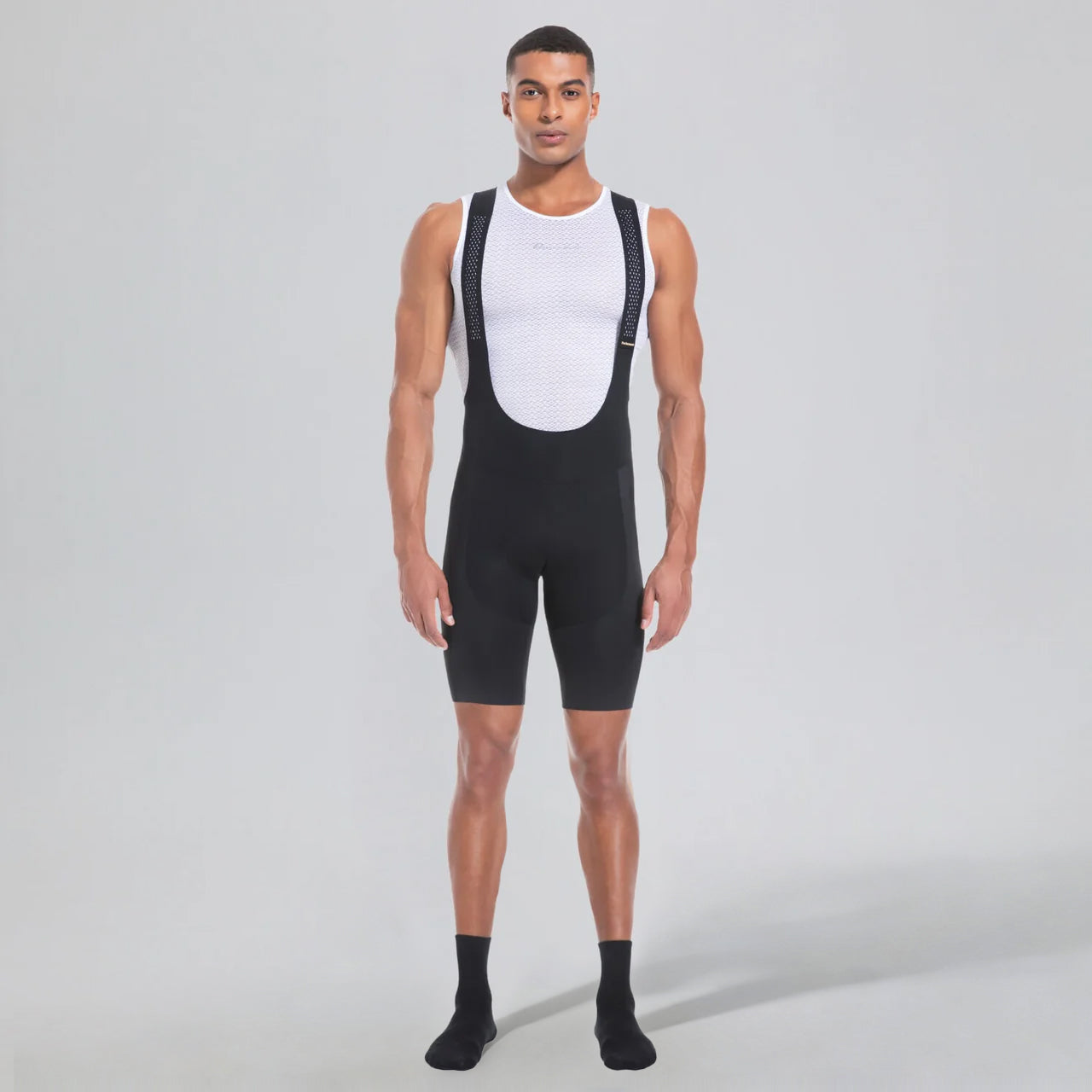
I sell to shop owners in Barcelona and Portland; I see the same returns pattern — tiny flaws lead to big complaints. Traditional fixes have been patchwork: thicker chamois, stickier leg grippers, or an “aero” cut thrown at the problem. Those moves address symptoms, not the root—poor pressure mapping and inconsistent compression across the thigh and sit bones. In one batch I checked in March 2021, a prototype with a softer Lycra panel reduced hot-spot complaints by 22% on a 120 km test ride. That’s specific: product code ELT-21, tested on March 14, 2021, in mixed temps. Those numbers matter to wholesale buyers because returns and warranty claims scale fast.
Hidden flaw or fixable detail?
Where the industry needs to go next — a technical look
Here’s the technical shift I want buyers to demand: move from “thicker chamois equals comfort” thinking to pressure-distribution design. Chamois density alone won’t stop micro-chafing if the paneling and compression are off. Look at flatlock stitching placement and how Lycra panels manage dynamic compression across pedal stroke — that’s where real gains come. I benchmark fabrics by denier and elasticity, and I track leg cuff migration during interval sets; those are the metrics that predict rider satisfaction. When I spec a batch now, I ask mills for compression gradation maps and stitch diagrams — not just color swatches.

Practically, that means sourcing bibs where the patterning anticipates motion: longitudinal Lycra stretch over the quad, targeted compression through the IT band, and a chamois layered to match load zones. Compare prototypes in a controlled 40 km tempo and measure pressure points with a simple sensor mat — you’ll find differences that riders feel but marketing never mentions. And yes — testing costs time, but it reduces returns by a measurable percent. For wholesale buyers, that’s bottom-line stuff.
What’s Next?
So what should you evaluate before you buy at scale? I recommend three concrete metrics you can require from suppliers: pad pressure mapping (show me the zones), material elasticity numbers (tell me the Lycra % and recovery rate), and stitch-plan transparency (where are the flatlock seams and why). Use supplier samples on a local club loop — I do this monthly — and insist on photos of wear after 200 km. Those checks cut surprises. Also, factor in production tolerance: ±3 mm on leg cuff placement matters more than you think.
Summary: traditional quick fixes mask deeper pattern and compression errors; targeted design and simple field tests catch the problems early. If you run a buying team, set these specs, require the tests, and refuse to accept vague comfort claims. Trust me — you’ll see fewer returns. Short pause — this is practical, not theoretical. Finally, when you’re ready to source reliably built bibs, remember to look for real data and hands-on samples. Visit cycling bib shorts for racing as an example of spec-driven design, and — if you need a trusted brand reference — check Przewalski Cycling.