
Introduction
Have you ever stood near a busy welding bay and wondered whether the air should feel any cleaner? In modern assembly lines, automotive manufacturing welding fume extraction is no longer optional — it’s a compliance and health issue that hits budgets and morale (plus the noise of machines makes you think twice). Recent studies show operators exposed to welding fumes can face a 20–30% higher risk of respiratory symptoms, and companies report maintenance slowdowns when extraction systems underperform. So: how do we pick systems that actually cut exposure, reduce downtime, and lower cost per part?
I ask this because I’ve spent time on shop floors and in meetings where proposals read great on paper but failed in practice. I want to share practical comparisons — what works, what doesn’t, and why you should care. Let’s step into the options and find the trade-offs. — next, we’ll dig into where common solutions break down.
Where Traditional Systems Fall Short: The Real Pain Points
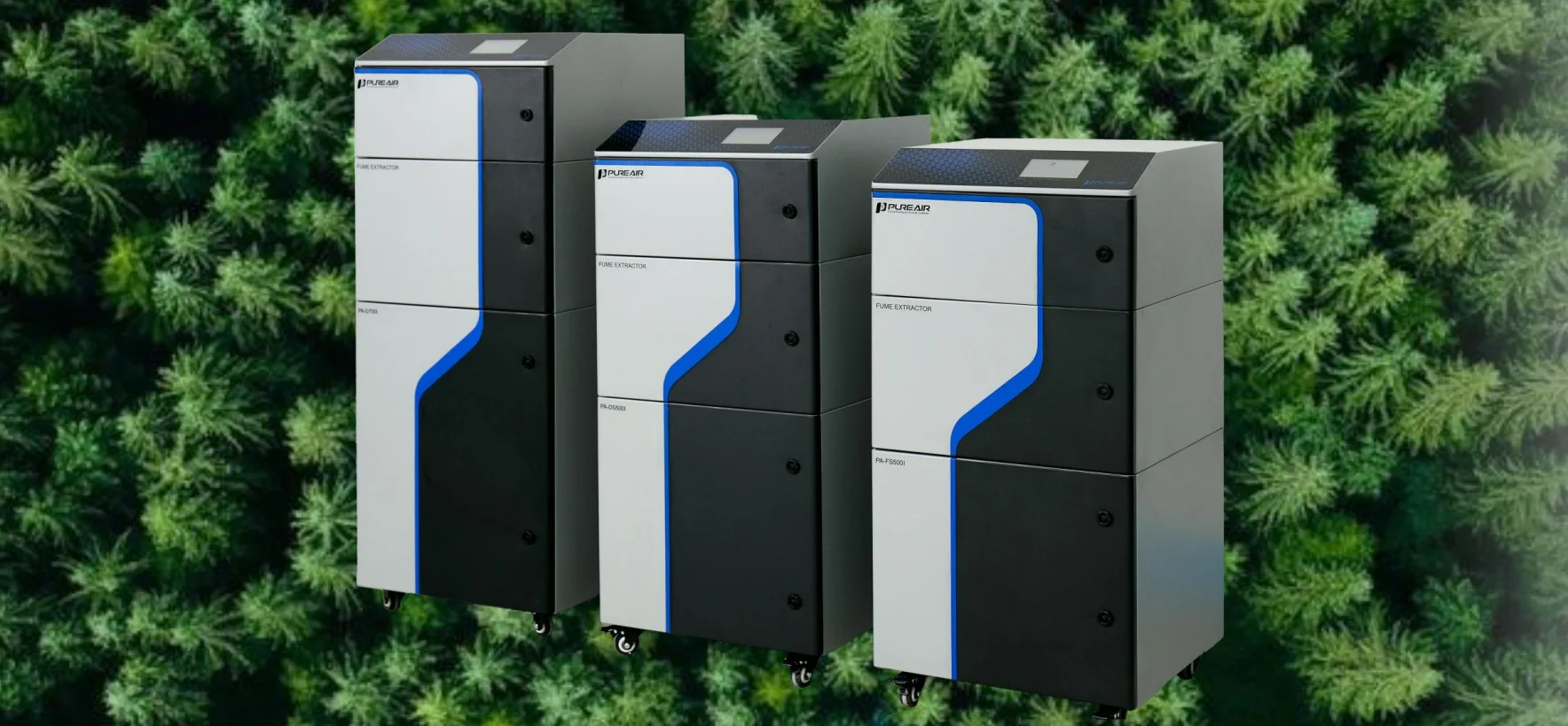
welding fume dust collector units have been a go-to for many plants, but I’ve seen the same problems crop up again and again. First, a lot of systems rely on static capture points and undersized ductwork. That causes weak airflow capture at the weld joint, so fumes escape before the hood ever pulls them in. Second, maintenance becomes a hidden cost. HEPA filters clog faster when pre-separation is poor; cyclone separators can cut bulk, but if calibration is off, filters choke and fans strain. Look, it’s simpler than you think: poor design increases energy draw and shortens component life.
Why do these systems keep failing?
In my view, three things drive failure: mismatched fan curves, wrong filter selection, and operational habits. Fans chosen on paper don’t always match real-world pressure drops. Filters picked for cost over durability will cost more over time. And operators often bypass capture hoods to speed work — yes, I’ve seen that — which defeats the whole point. Add in inconsistent monitoring (no edge computing nodes, no real-time alarms) and you get surprises: downtime, higher replacement costs, and health complaints. The tech exists to fix this, but adoption lags because stakeholders focus narrowly on first-costs rather than lifecycle outcomes.
New Principles and a Look Ahead: What Better Systems Do
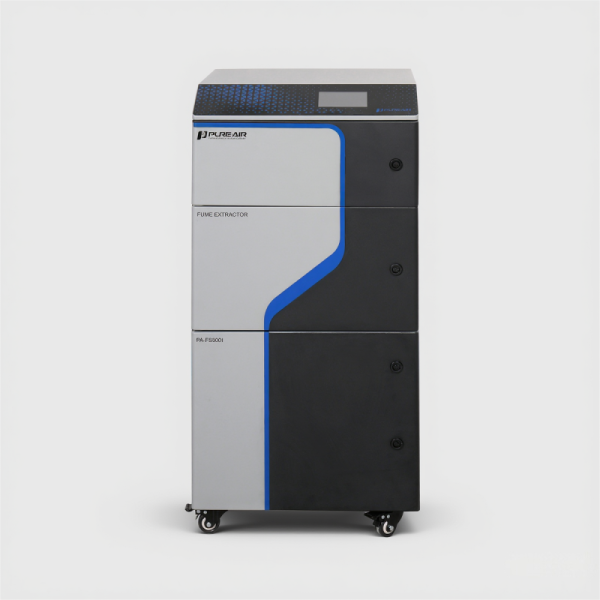
Moving forward, systems that pair smart controls with solid mechanical design win. A modern approach starts with matched system curves (fan, duct, and hood) and then layers controls that sense actual capture velocity. I’ll be blunt: a properly sized welding fume dust collector plus variable speed drives and simple feedback loops will outperform oversized but unmanaged rigs. That’s because control stabilizes airflow, saves energy (power converters and VFDs help), and stretches filter life. — funny how that works, right?
Real-world impact?
I’ve watched plants reduce filter costs by 30% and energy use by 15% after tuning controls and improving hood placement. That came from small, measurable changes: better capture geometry, scheduled maintenance, and adding simple sensors for differential pressure. Those sensors feed dashboards. They tell us when to act, not guess. The result: fewer complaints, fewer stoppages, and a more reliable line. We still need human buy-in — training matters — but the tech side is ready.
To choose smartly, I recommend three clear metrics: capture efficiency at the weld (measured at the joint); total cost of ownership over five years (including filters and energy); and system responsiveness (how fast the system recovers after a change in process). Use these to compare vendors and designs. If you want a pragmatic partner that understands both shop-floor realities and system science, consider the options from PURE-AIR. We’ve learned the hard lessons so you don’t have to.