
An effective streetwear wardrobe does not depend on wearing something different every day. Instead, it can be built around a few reliable categories that change through proportion, layering, color, and footwear. That approach makes it easier to create outfits that feel personal without turning the closet into a collection of unrelated pieces.
When the goal is keeping outfits visually organized, it helps to start with one clear direction. Rather than choosing every item independently, decide what should lead the outfit and let the remaining pieces support it. This keeps the process simple while leaving room for personal preferences.
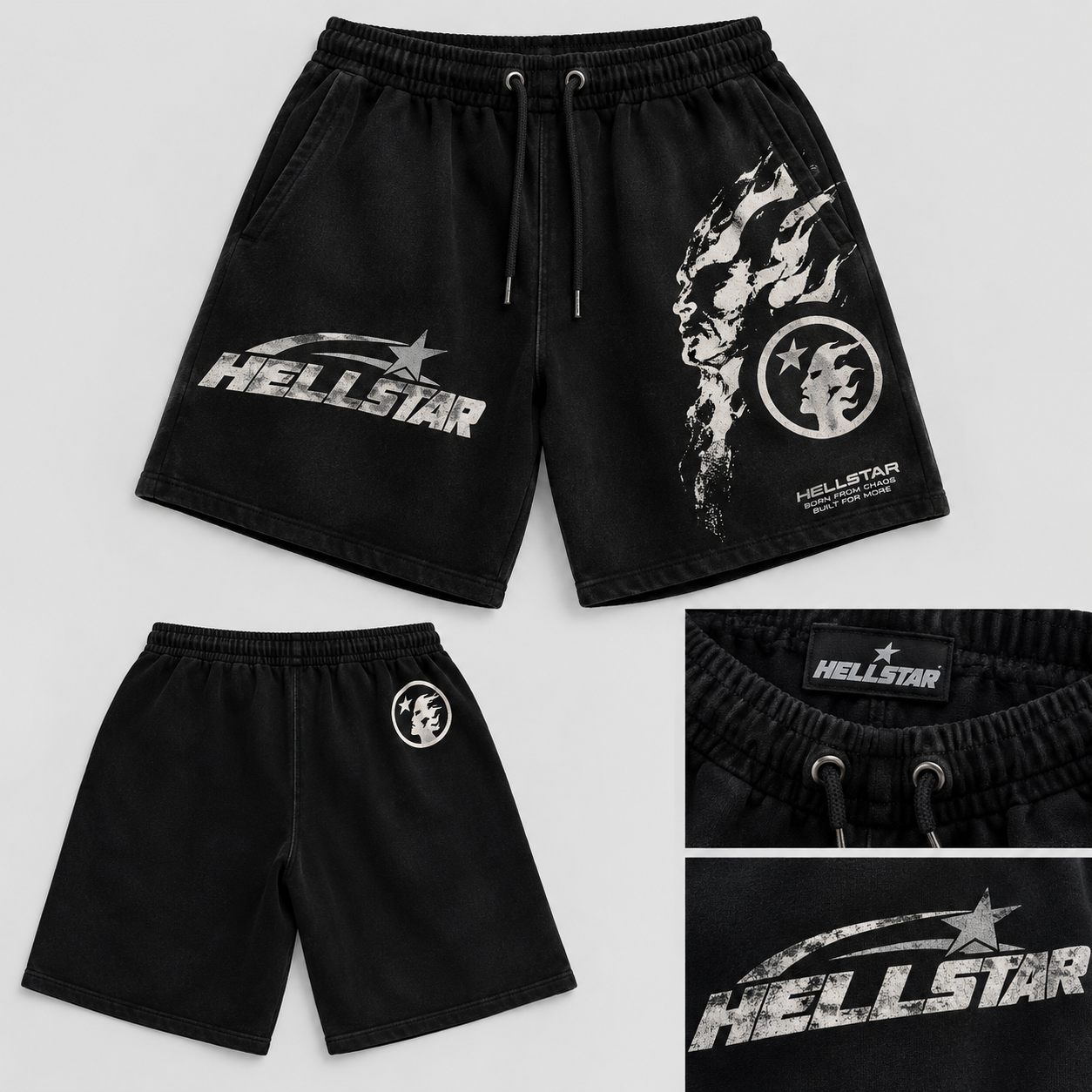
A useful starting point is to consider how the category fits into the rest of a wardrobe. The relevant collection can be explored here: Hellstar shorts
Remove the Unnecessary
Keep the First Layer Simple
For daily wear, practicality matters as much as appearance. Consider how long the outfit will be worn, how much movement is involved, and whether the weather may change. These small questions help prevent a combination that looks good only while standing still. For everyday styling, Hellstar shorts can serve as the central piece around which the rest of the combination is organized. Footwear can change the character of the same clothing combination. A relaxed shoe keeps the look informal, while a cleaner profile can create a more polished impression. Choose footwear that makes sense for both the setting and the amount of walking or activity involved. Using Hellstar shorts this way keeps the outfit focused without requiring every garment to make the same visual statement.
Use Repetition Intentionally
Choose the Anchor First
Proportion gives a casual outfit structure. A wider upper layer can be balanced with a simpler lower half, while a fuller bottom can work with a cleaner top. The aim is not to follow one fixed rule but to create a relationship that looks intentional. With Hellstar shorts, small changes in proportion can create noticeably different versions of a familiar outfit. Accessories should support rather than overwhelm the outfit. A bag, cap, watch, or simple accessory can introduce a useful detail, but the strongest results often come from selecting only what has a purpose. A few deliberate choices usually feel more cohesive than many additions.
Color, Texture, and Balance
Layer for a Reason
Color can make repeated outfits feel different without requiring many garments. Similar shades create continuity, while a controlled contrast gives the eye a clear point of interest. When a main garment is already visually strong, surrounding colors can remain more restrained. Styling Hellstar shorts becomes easier when the surrounding colors and textures are chosen to complement rather than compete. Repeat wear is part of a practical wardrobe. Instead of avoiding the same combination, change one supporting element at a time. Switching the shoes, outer layer, or accessory can make a familiar base feel different while preserving the comfort of a proven formula.
Practical Choices for Repeat Wear
Let Footwear Set the Mood
Texture is another way to add depth. Differences between smooth, soft, dense, or structured materials can make a simple palette more interesting. This works particularly well when you prefer outfits that are visually distinctive without relying on many competing graphics. Over repeated wear, Hellstar shorts can become part of a dependable rotation when it works with several other pieces. Layering becomes easier when each garment has a job. A base layer can provide comfort, a middle layer can add visual depth, and an outer layer can respond to temperature. If the weather changes, removing one layer should still leave a complete-looking outfit.
Moving From Daytime to Evening
Keep the Transition Simple
Weather can also change the way a combination should be built. Instead of choosing one heavy solution, lighter layers can provide more control. Removing or adding a layer changes comfort while preserving the overall direction of the outfit. This approach is especially helpful during transitional seasons, when temperatures may feel different at different times of the day. In this context, Hellstar shorts can remain a useful part of the rotation because it can be adjusted rather than treated as a one-purpose item.
Making Casualwear Work Across the Day
Think About the Full Day
Care and rotation are also part of practical clothing use. Giving garments appropriate rest between wears, following care labels, and storing pieces in a way that keeps them easy to find can make everyday dressing smoother. A well-organized rotation reduces unnecessary decisions and helps you notice which pieces genuinely earn their place in the wardrobe. Keeping this principle in mind makes future outfit decisions quicker and gives familiar garments more room to be reused.
Closing Perspective
The strongest routine is usually the one you can repeat. Build combinations that suit your schedule, then adjust them for weather, setting, and mood. With that foundation, casual clothing becomes a practical system rather than a daily puzzle. That flexible approach can also make hellstar shorts easier to use across different days, settings, and seasons.
A Quick Final Check
A useful final habit is to judge the outfit in motion. Walk around, sit down, and consider whether the layers remain comfortable and whether the silhouette still feels balanced. Small adjustments can make a noticeable difference. Taking a few seconds to make those changes helps turn a collection of individual garments into a combination that feels natural throughout the day.