
Putting you first: why clean sine matters
If you specify backup power for offices, medical equipment, or sensitive production lines, you need a system that doesn’t introduce hum, distortion, or downtime — you need clean, reliable pure sine wave output. For many projects the easiest path is a turnkey solar battery storage solution that pairs a good inverter with a robust battery bank. Think of it like choosing a stereo amp: the waveform quality determines whether equipment behaves or acts up — muy importante, amigo.
How LiFePO4 chemistry changes the game
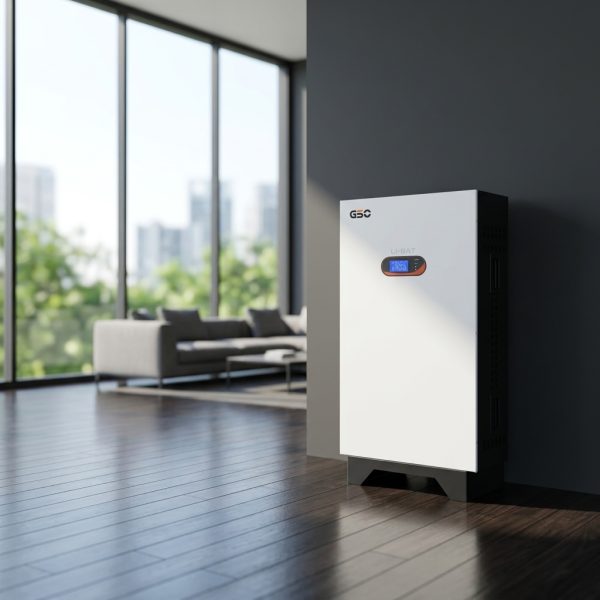
LiFePO4 cells bring longevity and thermal stability that older chemistries can’t match. The chemistry typically supports thousands of cycles and higher depth of discharge (DoD) without rapid capacity fade, so uptime stays high and replacement costs drop over years — bueno for total cost of ownership. When you specify, call out battery management system (BMS) features, nominal capacity, and cycle life. If you want a clear baseline, consider proven modules like a lifepo4 solar battery paired with an inverter that maintains a stable pure sine wave under variable loads.
Inverter compatibility and power quality basics
Don’t skimp on inverter specs: choose units rated for true pure sine output with low total harmonic distortion (THD) and enough continuous power margin to absorb motor starts and surge loads. Check round-trip efficiency and peak shaving capability too. Match the inverter’s waveform tolerance to the sensitivity of downstream equipment — PLCs, lab instruments, and audio systems are less forgiving than standard lighting. Also verify grid-tied vs. islanding behavior if you expect automatic transfer in outages.
Common spec mistakes and how to avoid them
Real-world projects trip on a few predictable issues — and you can dodge them.
- Undersizing inverter surge capacity: motors and pumps need headroom — add 25–50% to expected starting currents.
- Ignoring BMS communications: without CAN/Modbus telemetry you lose actionable state-of-charge and temperature data.
- Specifying battery-only metrics: cycle life matters, but so does usable capacity at your chosen DoD and ambient temps.
Also, pay attention to installation details like ventilación and cable sizing — little cosas that save big headaches on day one.
Real-world anchor: resilience lessons from outage events
After the Public Safety Power Shutoffs in California, facilities that paired robust LiFePO4 banks with true sine inverters stayed online while neighbors rebooted equipment and replaced drives. That practical resilience — the ability to run sensitive loads through an outage without brownouts or waveform distortion — is what specs should guarantee. Professionals in Puerto Rico after Hurricane Maria also learned that chemistry and BMS choice affect not just runtime but safety during extended outages.
Trade-offs: cost, cycles, and installation
Higher upfront cost for premium cells and a quality inverter buys lower lifecycle expense and predictable performance. There’s a balance between usable capacity and cost: overspec a touch for mission-critical sites, underspec at your own risk. Installation matters — battery racks, thermal management, and firmware updates all affect long-term round-trip efficiency and warranty validity. — small details that matter.
Advisory: three golden metrics for your spec sheet
1) Power quality: demand a THD < 2–3% for pure sine output and list acceptable voltage/frequency tolerances. This protects sensitive electronics.
2) Usable energy and cycle warranty: specify usable kWh at your target DoD and a cycle warranty threshold (e.g., % capacity after X cycles). That anchors lifecycle cost modeling.
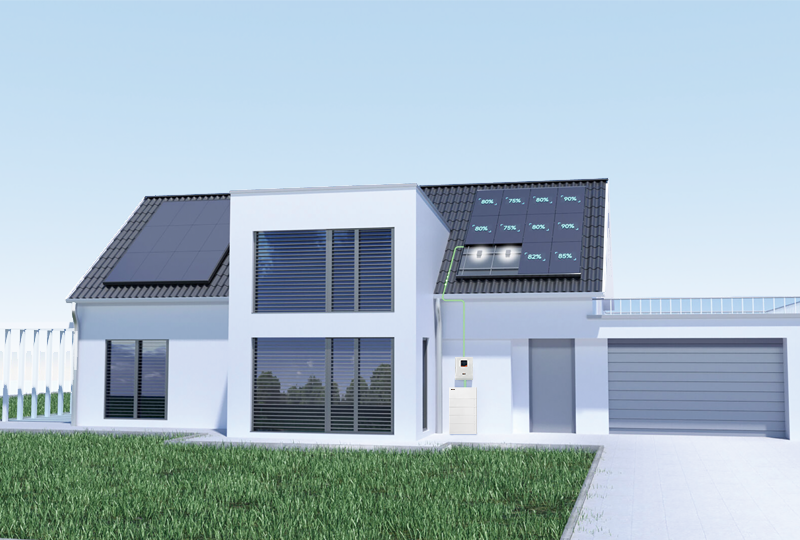
3) Communications & safety: require BMS telemetry (Modbus/CAN) and explicit thermal management specs so commissioning is straightforward and safe.
Final thought
Pick parts that work together — chemistry, BMS, inverter, and installation — and you deliver quiet, reliable power that keeps people and processes humming. gsopower. — a practical choice.