
Introduction — A Short Question, Some Numbers, and a Pause
Have you felt unsure when choosing a device that promises faster healing or firmer skin?
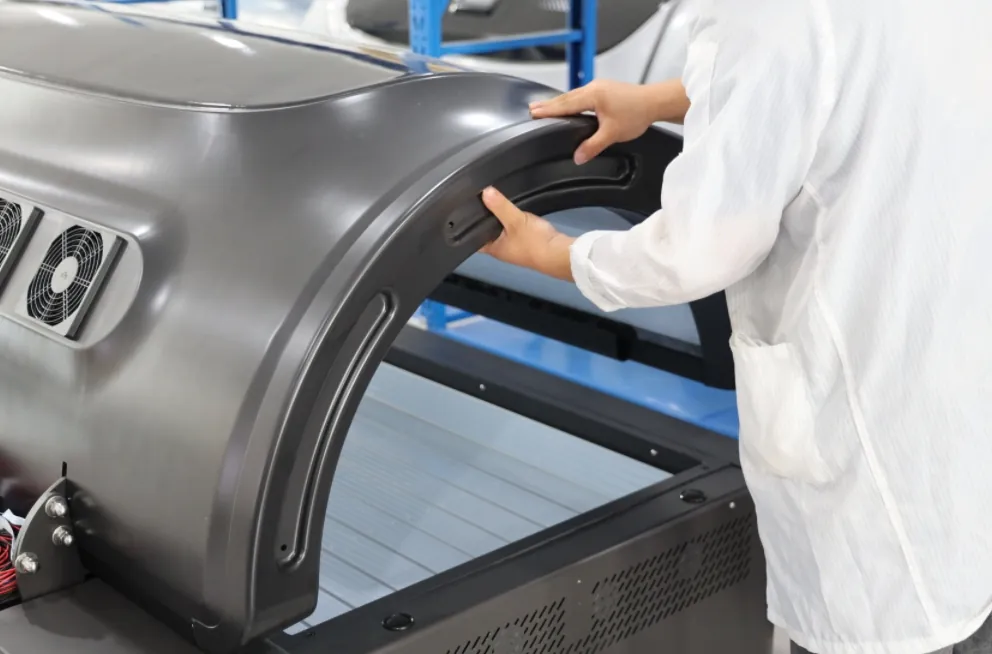
I work with a red light therapy company and I see the small wins and big misses—clinical reports show measurable changes in pain, skin tone, and recovery, but results vary a lot across devices and brands (this surprises many people here). So what really matters when you choose a company that makes these lamps and panels? — let us walk through the messy, useful facts next.
Deep Dive: Where Traditional Solutions Fail — Hidden User Pain Points
best company for red light therapy — here I list the pains I see again and again. Many older systems promise broad benefits but hide limits. For example, a seller will quote only wavelength or “LED count” and skip power density or irradiance. Users think more LEDs mean better results. Not true. Photobiomodulation needs correct wavelength and power at tissue depth. Too weak, and the device just glows. Too hot, and it can burn or cause discomfort. Look, it’s simpler than you think — proper specs matter.
Why do many devices miss the mark?
Manufacturers often trade real performance for flash. They use cheap LED arrays and mention near-infrared in passing. But the real issues are product design and user experience: uneven light, poor cooling, and lack of clear usage guidance. Patients and athletes report spotty results because they stop early or place the panel wrong. I feel for them — I have seen customers confused, spending money and getting little. Also, warranty and service are weak in many brands. That is a hidden pain point: you buy the device, then you are alone with troubleshooting. The result: distrust and wasted time.
Forward-Looking Comparison: Principles and Practical Picks
Now I explain new principles that separate smart designs from the rest. Think in terms of three things: correct wavelength bands, consistent irradiance, and real-world ergonomics. Newer devices use tuned wavelengths for red (around 660 nm) and near-infrared (around 830–850 nm) to target shallow and deeper tissues. They balance power density so you get enough energy without overheating skin. Manufacturers who combine these elements tend to deliver predictable outcomes. And, yes, user manuals that explain distance and session time are part of the tech — they matter as much as specs. — funny how that works, right?
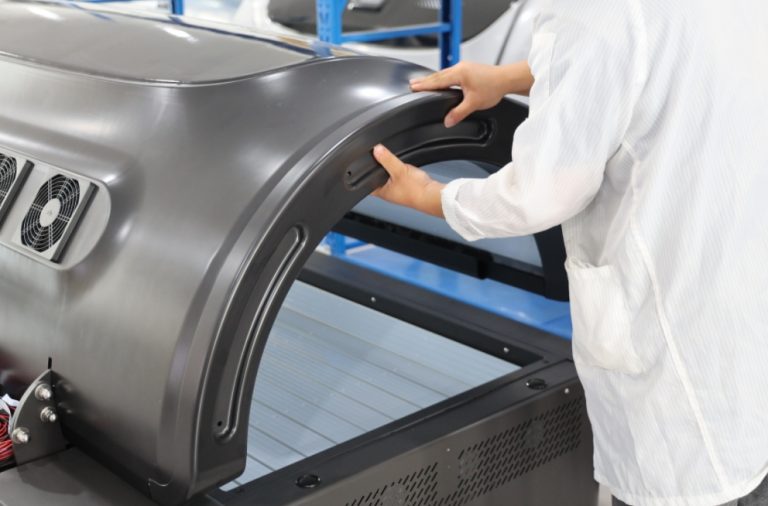
What’s Next for buyers?
Compare case studies, not just specs. I like when a company publishes device testing with clear irradiance maps and suggested protocols. Also look for service: training, return policies, and helpful customer support. When I evaluate a maker, I ask: do they show measured power density at typical use distance? Do they explain photobiomodulation mechanisms without jargon? Do they test on realistic models? These practical checks cut through marketing noise. For more concrete review and company background, see best company for red light therapy — I find transparent teams easier to trust.
To choose well, here are three simple evaluation metrics I give to friends: 1) Measured irradiance at use distance (mW/cm²), 2) Proven wavelength mix for intended use (red + near-infrared), and 3) Real user support and warranty. Use these when you read spec sheets. I prefer companies that publish test data and answer questions clearly. In the end, you want a device that works for your routine, not one that sits in a drawer. For a brand I respect for clarity and support, check out Magique Power.
 Admin
Admin