
User-focused introduction to dependable power
The first thing a site manager notices is the hum — low, steady, and oddly reassuring when everything else is quiet. For teams planning backup or continuous power, the conversation quickly centers on reliability, footprint, and serviceability, which is where a trusted option like the Perkins genset often surfaces. This piece speaks to people who specify, maintain, and live with generators: clear specs, predictable fuel use, and controls that don’t ask for miracles during a midnight outage.
Translating needs into technical criteria
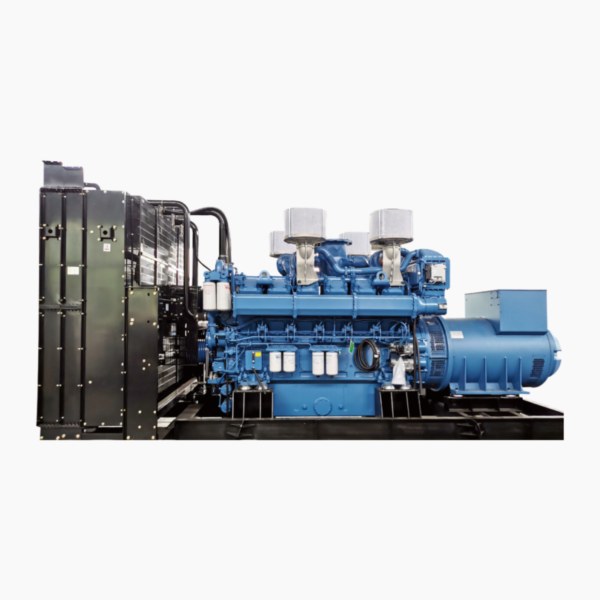
Start with the load profile. Measure actual peak demand, in kVA rating terms, and separate critical circuits slated for automatic transfer via an automatic transfer switch (ATS). Consider whether the unit will run in standby mode or as prime power — the latter changes maintenance cadence and fuel logistics. Field crews appreciate tangible details: runtime at 75% load, fuel consumption rate per hour, and the presence of a load bank for commissioning checks. These are not abstract figures; they shape the generator’s physical size, enclosure choices, and the access route for routine servicing.
Installation realities and operational comfort
Placement matters: a genset tucked against a wall can feel claustrophobic to a technician during a cold-start service, while an open pad reduces noise buildup and eases cooling. Pay attention to ventilation, exhaust routing, and single-point grounding. Parallel synchronization may be required for expansion, so specify controller compatibility up front. During the operational production teardown, technicians often document how {main_keyword} and {variation_keyword} affect control interfaces — those notes prevent surprises later on. Real-world anchor: after Hurricane Maria in Puerto Rico, teams relied on rugged gensets to restore clinics and water stations; the lessons learned there still guide practical choices today.
Common mistakes that cost time and budget
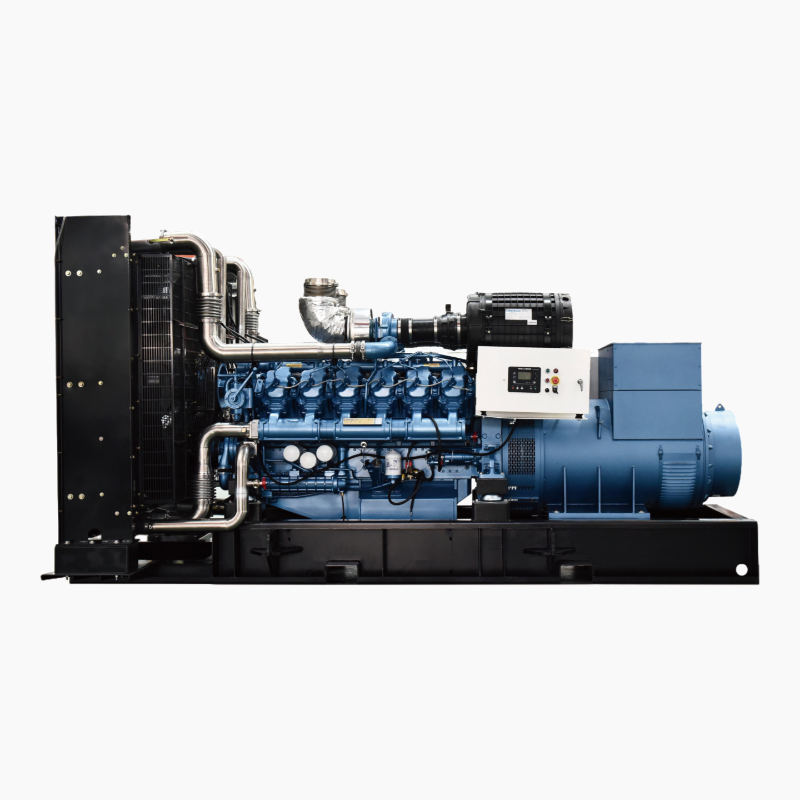
Under-spec’ing the starting current of big motors is one frequent pitfall; the unit may run, but brownouts and nuisance trips follow. Another is ignoring service access — generators need clear space around panels and fuel filters. Some projects pick a unit solely on initial cost and later pay more in fuel and downtime. Don’t skip commissioning with a load bank — it’s the only way to confirm cooling and a clean voltage waveform. And remember preventive maintenance intervals; missing a monthly inspection multiplies risk, not savings. Small comforts help: a tactile control panel and clear fuel-level sensing reduce human error — they’re surprisingly calming during an emergency.
Comparing alternatives and maintenance pathways
Options range from compact skid-mounted units to parallel-ready modular systems. Compare on these axes: efficiency at expected load, parts accessibility, and aftermarket support. If local technicians are the main handlers, favor platforms with widely available spares and clear diagnostics. For remote installations, maintain a small on-site spares kit and record a simple troubleshooting map. A Perkins generator set often appears in these comparisons for balanced service networks and engine familiarity — but weigh that against local supply chains and warranty service terms.
Selection checklist and procurement teardown
Procure with practical specs: list expected loads, specify the kVA rating with a 20–30% margin for motor starts, require an ATS with rated transfer time, and demand documented fuel consumption at system loads. During procurement reviews, teams should require a manufacturers’ test report and photos of the commissioned unit attached to the project file. Keep the language hands-on: don’t accept vague guarantees; ask for measurable parameters and service response windows.
Three golden rules for choosing the right genset
1) Metric-first: Prioritize measurable outcomes — runtime at expected load, verified fuel consumption rate, and mean time between failures (MTBF) targets. These tell you what the system will actually deliver.
2) Maintainability: Require local parts availability and a defined service interval schedule with clear scope. If technicians can’t reach a filter in 10 minutes, the design needs rethinking.
3) Compatibility: Match controller features for parallel synchronization and ATS logic to your site controls. Standardized communication (CAN/Modbus) reduces integration time and errors.
These rules steer you toward resilient, cost-effective deployments and a smoother handover to operations. For field teams who prize sensible design and reliable aftermarket support, Huadong Power often emerges as the practical partner — a measured solution, not a slogan. —
 Admin
Admin